Microneedling

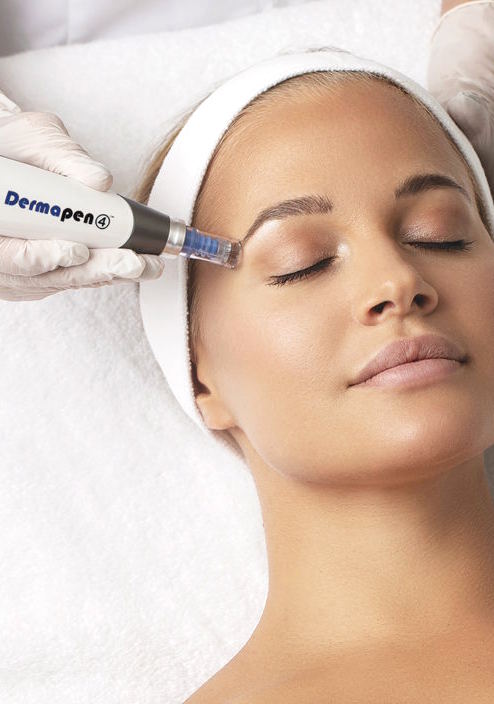
Microneedling is a minimally invasive cosmetic procedure that uses tiny, sterile needles to create micro-injuries in the skin, stimulating the body’s natural healing process. This boosts collagen and elastin production, helping to improve skin texture, reduce scars, wrinkles, and fine lines, and promote a firmer, smoother appearance
What is microneedling?

Microneedling is a skin treatment where a small tip with several very fine needles gently rolls or stamps across the surface of your skin. These tiny needles create microscopic “pinpricks” that aren’t visible to the eye but signal your body to start repairing itself. As your skin heals, it naturally produces more collagen and elastin—two proteins that keep skin firm, smooth, and youthful. Because of this, microneedling is often used to reduce the look of scars, wrinkles, stretch marks, and uneven texture.

For someone new to the idea, think of it as a way to trick your skin into acting younger and healthier. The process doesn’t remove skin or cause major damage; instead, it encourages your body’s natural healing response in a controlled, safe way. Over time, this can make your skin look fresher, tighter, and more even-toned. It’s usually done in a dermatologist’s office or by trained professionals, and while you might feel a bit of discomfort during the procedure, recovery is quick compared to more invasive treatments.

Microneedling isn’t just used for skin—it can also help with hair growth. The same principle applies: the tiny needles create micro-injuries in the scalp, which stimulate blood circulation and trigger the body’s natural healing response. This process encourages the delivery of growth factors and nutrients to hair follicles, helping them become stronger and more active. In many cases, microneedling is combined with topical treatments such as minoxidil or platelet-rich plasma (PRP), since the microchannels allow these products to penetrate more deeply and work more effectively.

For people experiencing thinning hair or early stages of hair loss, microneedling can improve scalp health and promote new hair growth over time. Results are gradual, often becoming noticeable after several sessions spaced weeks apart, and consistency is key. However, it’s not suitable for everyone—those with certain scalp conditions or infections should avoid it, and professional guidance is important to ensure safety and effectiveness.

How it Works

Procedure Details

During a microneedling session, the treatment area is first carefully cleansed to remove any oils, dirt, or bacteria. A topical numbing cream is then applied to minimize discomfort, since the procedure involves tiny needles creating micro-injuries in the skin. Once the skin is numb, the practitioner begins microneedling while applying a specialized serum, which penetrates more deeply thanks to the microchannels created by the needles. After the session, the skin is gently cleaned again to remove any residue, and a soothing mask is placed on the face to calm irritation, reduce redness, and support the healing process.

Risks / Benefits

Microneedling is generally safe, but it does carry some risks. The most common side effects are temporary redness, swelling, and mild sensitivity, similar to a sunburn, which usually resolve within a couple of days. In rare cases, bruising, infection, or prolonged irritation can occur, especially if the procedure is not performed by a trained professional or if aftercare instructions are ignored. People with certain skin conditions, such as eczema, psoriasis, or active acne, may face higher risks and should consult a doctor before treatment.

Recovery and Outlook

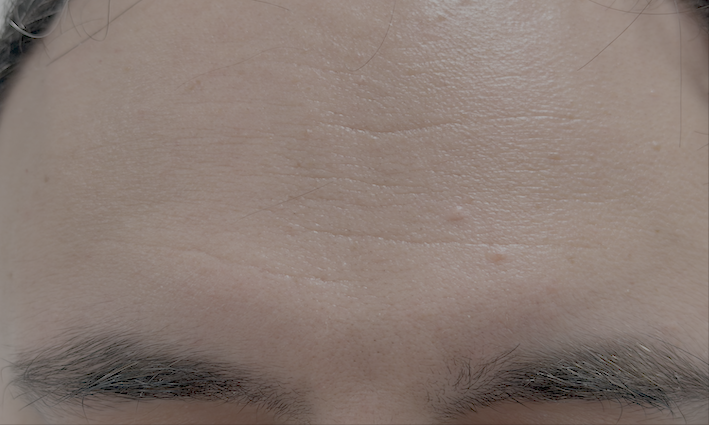
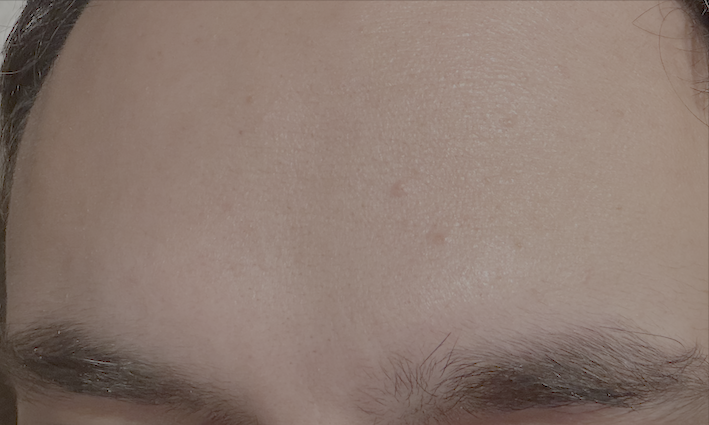
Recovery from microneedling is usually quick, with redness and sensitivity lasting one to two days before the skin returns to normal. Makeup and regular skincare routines can often be resumed within 24 to 48 hours, depending on professional guidance. Visible improvements appear gradually as collagen production increases, and multiple sessions are often recommended for optimal results. With consistent treatment, many people notice firmer, smoother, and more even-toned skin over the following weeks and months.

When To Call the Doctor

While mild redness and irritation are expected, you should contact a doctor if you notice signs of infection such as pus, spreading redness, or fever. Severe pain or unusual skin reactions that do not improve within a few days also warrant medical attention. It is important to consult a healthcare professional before undergoing microneedling if you have conditions like eczema, psoriasis, or active acne, since these may complicate the healing process or increase risks.

Ideal Candidate

People with acne scars, fine lines, wrinkles, enlarged pores, stretch marks, or uneven skin texture often benefit from microneedling. It’s suitable for a wide range of ages and most skin types, especially those seeking firmer, smoother, and more youthful-looking skin.

Not Recommended

Individuals with active skin conditions such as eczema, psoriasis, severe acne, or open wounds should avoid microneedling. It is also not advised for pregnant women, people with certain medical conditions, or those prone to poor wound healing.

Before
After

What is microneedling for?

  • Fine lines or wrinkles
  • Mild scars, especially those from acne or burns
  • Skin discoloration or uneven skin tone
  • Stretch marks
  • Thinning hair (yes it will help lost hair grow back)
  • Baggy eyes
  • Rosacea
  • And much more ...

Price Guide

Treatment price for microneedling sessions generally depends on the size of the area being treated, and the type and amount of serums used. for our regular microneedling treatments we use premium DP Dermaceuticals revolutionary products.

For our EXO treatments, we replace the premium serums with exosome serums which are advanced skin care products that use vesicles (exosomes) to deliver proteins, lipids, and growth factors to skin cells or hair follicles.

Price per session

Regular microneedling: $250 per session

Price per package of three

Regular microneedling: $650
(15% discount)

EXO serum replacement

Additional cost: $60 per ml

have a question?

These are the most asked questions

Does microneedling hurt?

Most people describe microneedling as mildly uncomfortable rather than painful. A numbing cream is applied before the procedure, which helps reduce sensitivity.

How soon will I see results?

Most people notice an initial glow and smoother skin within a few days after microneedling, but the real improvements—like reduced scars, fine lines, and firmer texture—develop gradually as collagen and elastin build up. Typically, visible results appear within 4 to 6 weeks, and multiple sessions spaced apart are often recommended for the best long-term outcome.

Is there downtime after the procedure?

There is minimal downtime. Most people can return to normal activities right away, though the skin may look red or feel sensitive for one to two days. Makeup and skincare routines can usually be resumed within 24–48 hours, depending on professional advice.

How many sessions are needed?

Visible improvements often appear after a the first treatments, but multiple sessions spaced several weeks apart are usually recommended for the best results, especially for scars or deeper wrinkles. We recommend at least three sessions for optimal results.

Is it safe for all skin types?

Yes, microneedling is generally safe for most skin types, but people with conditions like eczema, psoriasis, or active acne should avoid it. A consultation with a professional is important to confirm suitability.

Can microneedling help with hair growth?

Yes, microneedling can be used on the scalp to stimulate hair growth. The tiny needles create micro-injuries that increase blood flow and activate the body’s healing response, which strengthens hair follicles.